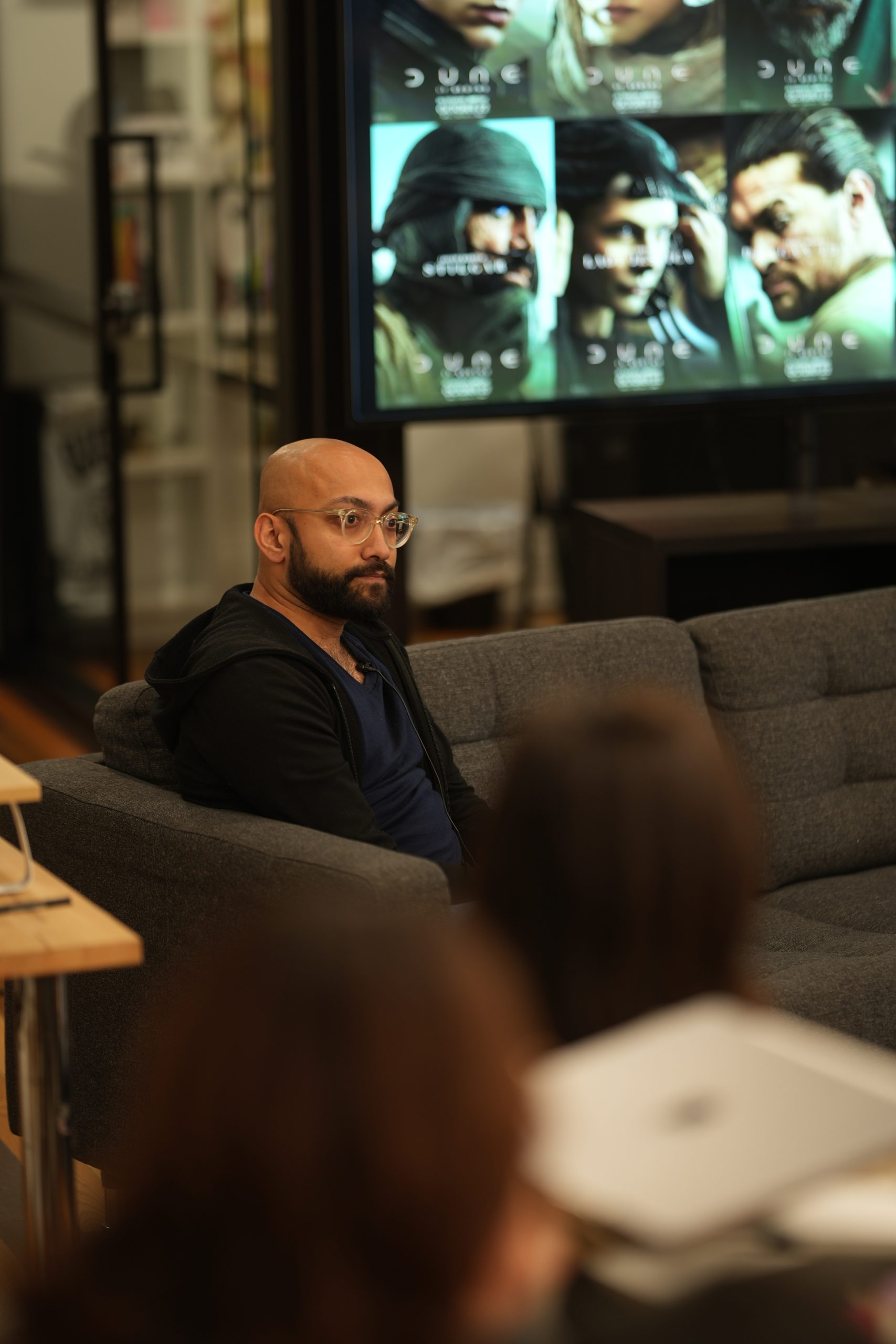
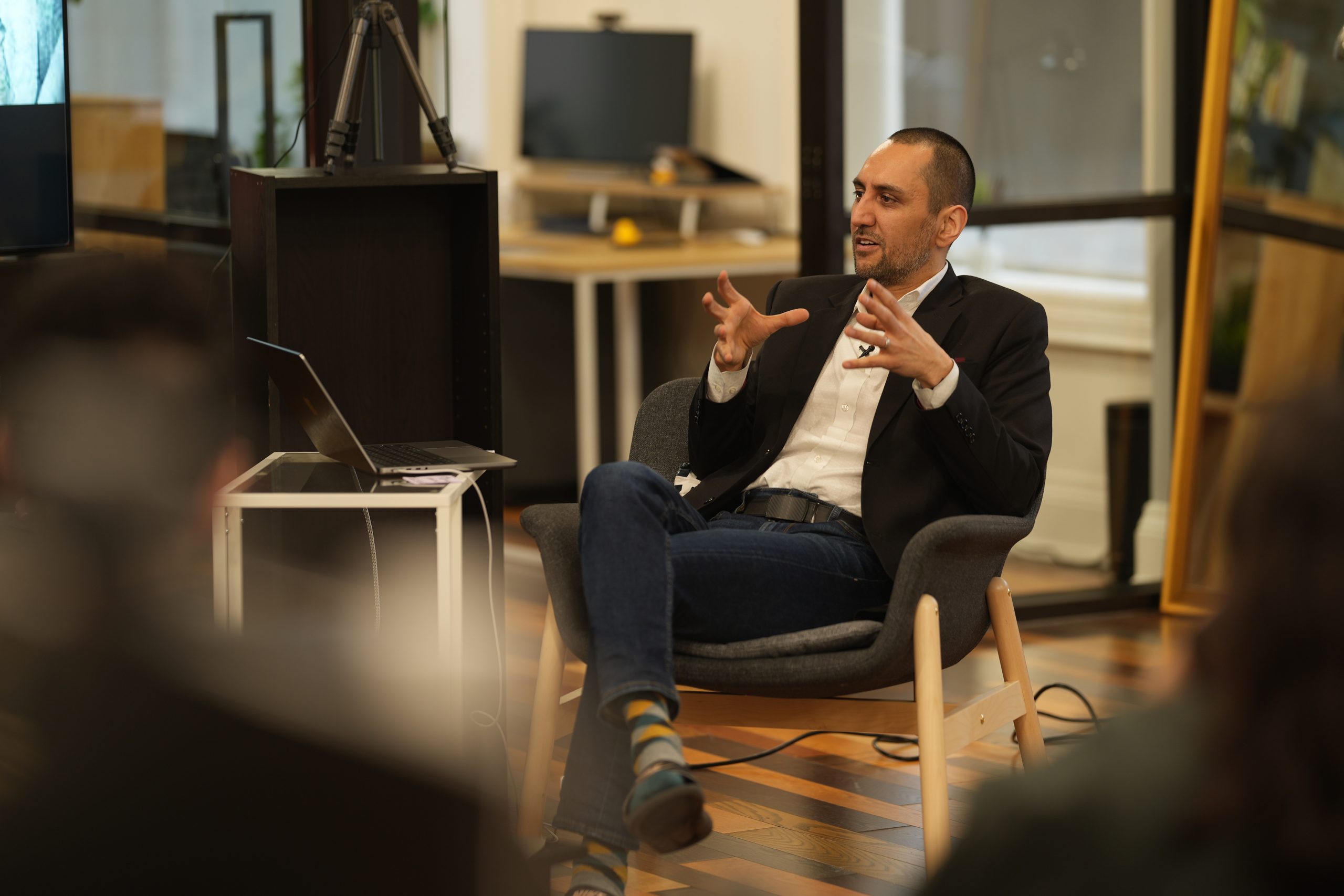
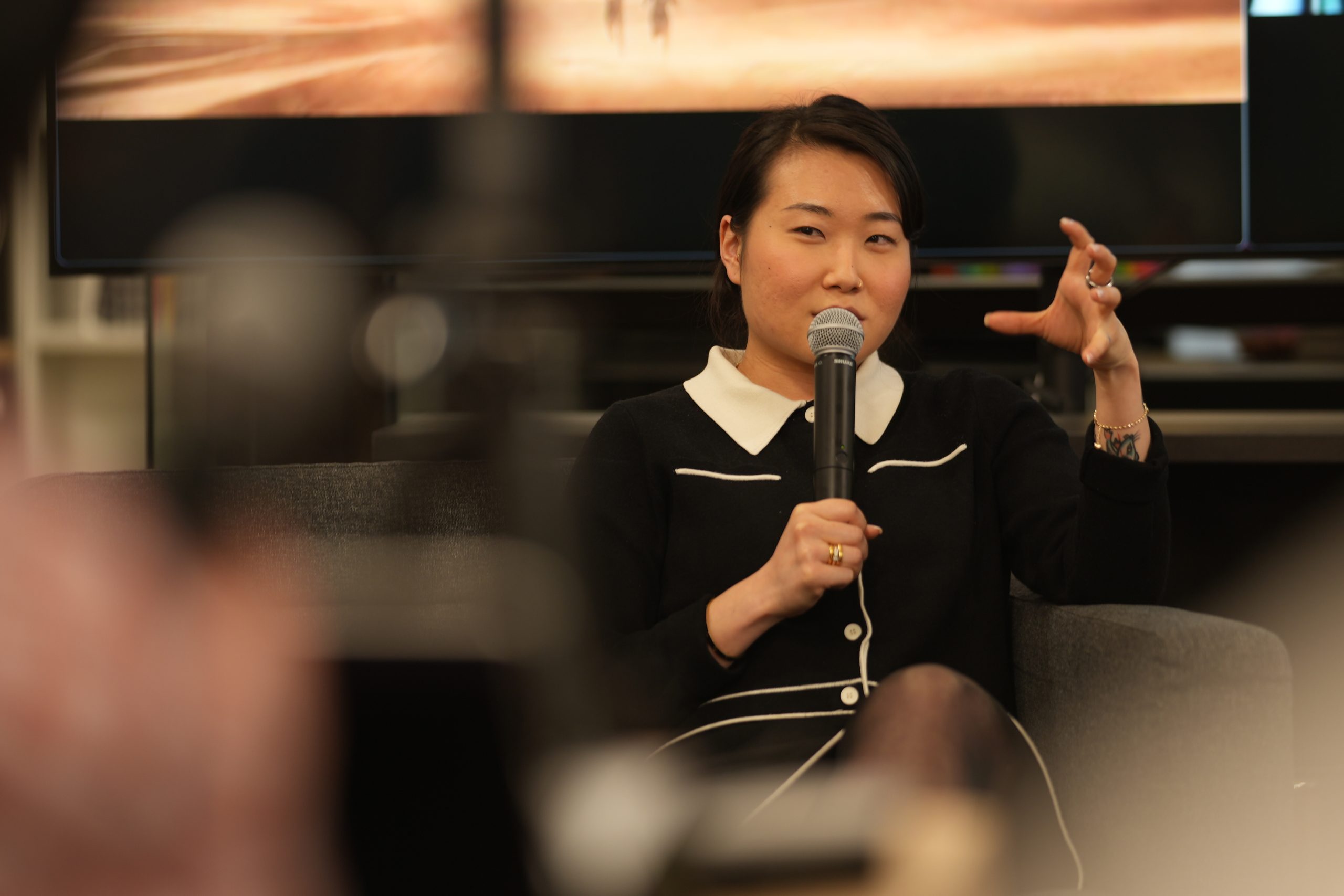
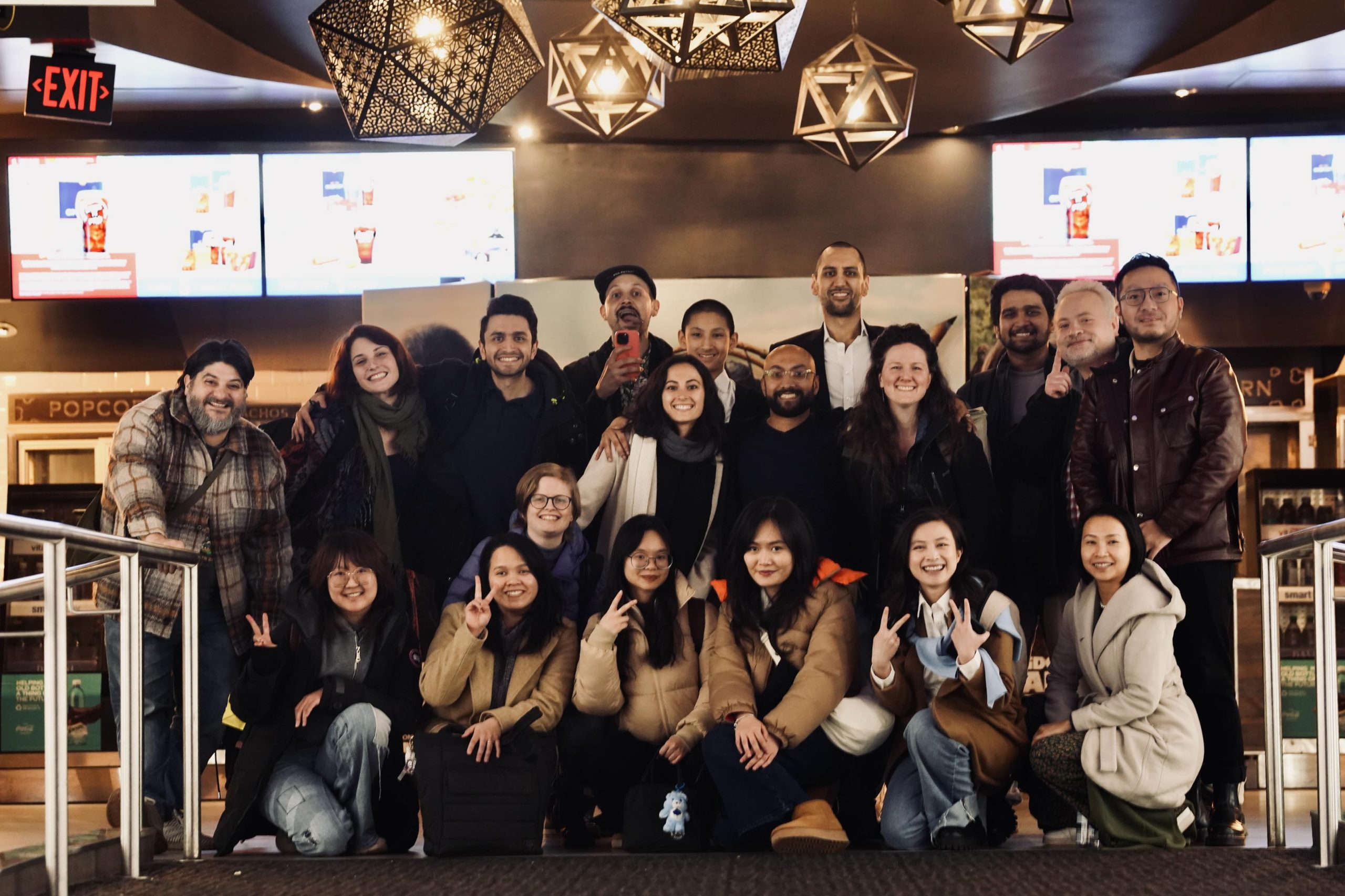
Great stories are training grounds for better thinking. They reward us for looking past the plot into the rules, symbols, tensions, and consequences beneath it. When a team studies those layers together, the story becomes a shared language. That was the spirit behind a special Friducation presentation at PDHQ before our team outing to see an IMAX presentation of Dune: Part Two on March 15th 2024.
The afternoon before the screening, we gathered to explore the stories and themes of Dune. Studying a story this rich helps us practice the same kind of depth our client work demands: reading complexity, finding meaning, and building experiences that hold together beneath the surface.
Changing the Experience
The right context can change the way a story lands. Before our CEO Khalid first saw Dune: Part One, a friend gave him a high-level primer. That preparation made the movie easier to follow. More importantly, it gave Khalid more to notice. That experience became the seed for Dune Day.
If a little context could transform one person’s experience of the film, what could shared context do for
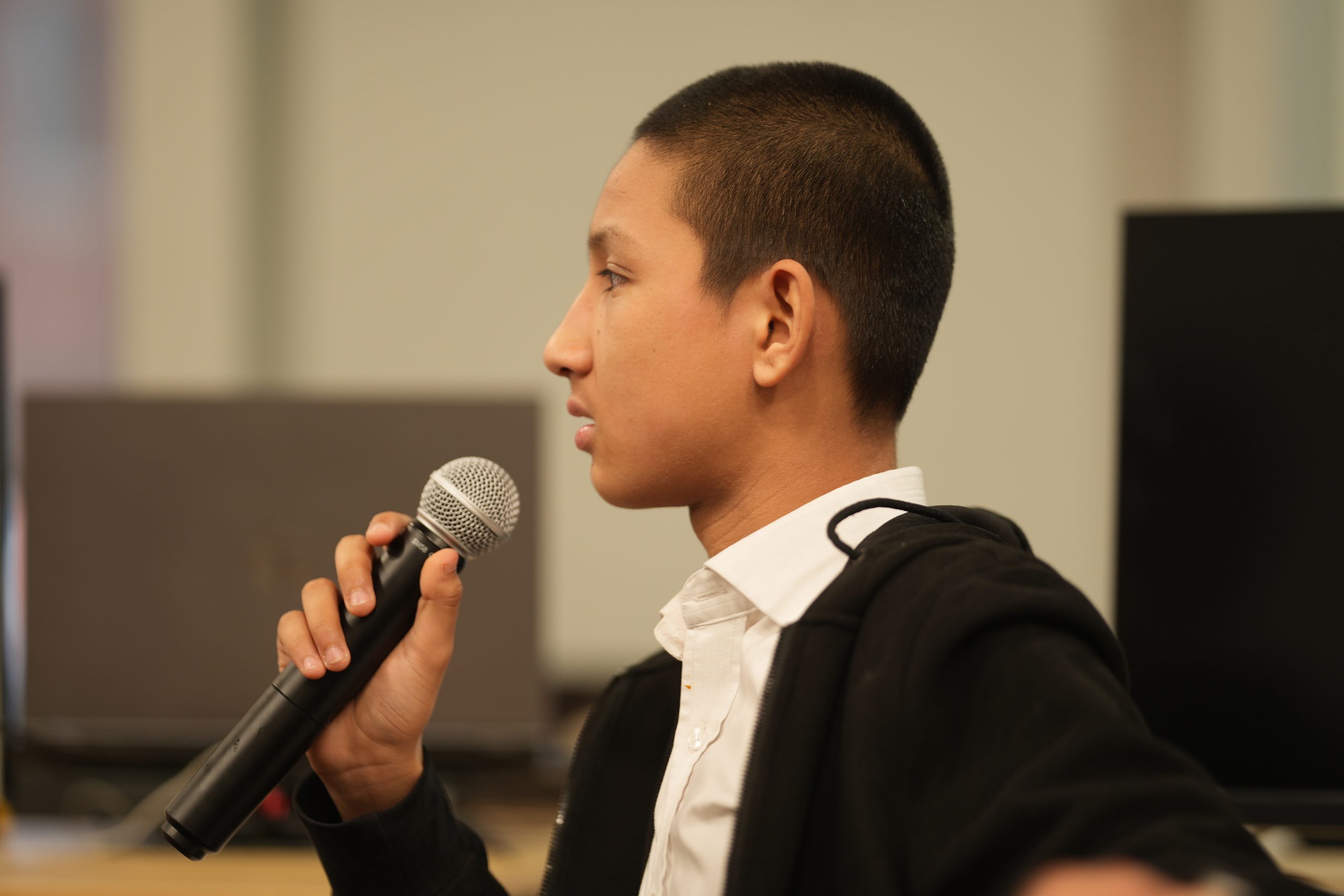
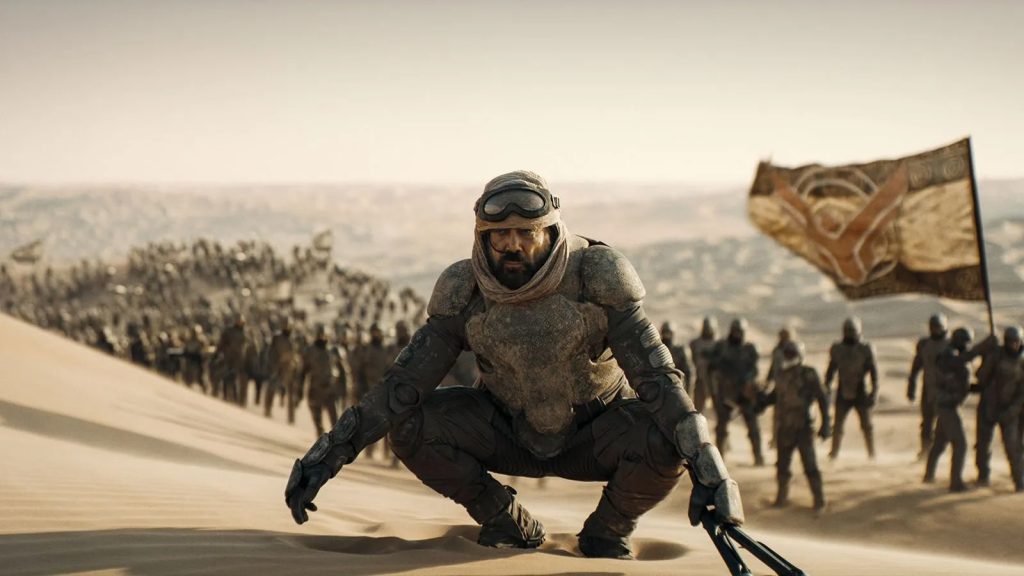
a whole team? That question shaped the session. Khalid and UJ Ramdas walked the room through the houses, the spice, the Bene Gesserit, the Fremen, the sandworms, the politics, the prophecies, and the strange gravity holding it all together. The room was curious. People asked questions. Others who had read the book added details. The conversation moved between plot, power, ecology, religion, adaptation, and design.
In creative work, the quality of the final piece often depends on how well the team understands the world around the challenge, and how aligned they are in that understanding from the very beginning.
Revealing Hidden Systems
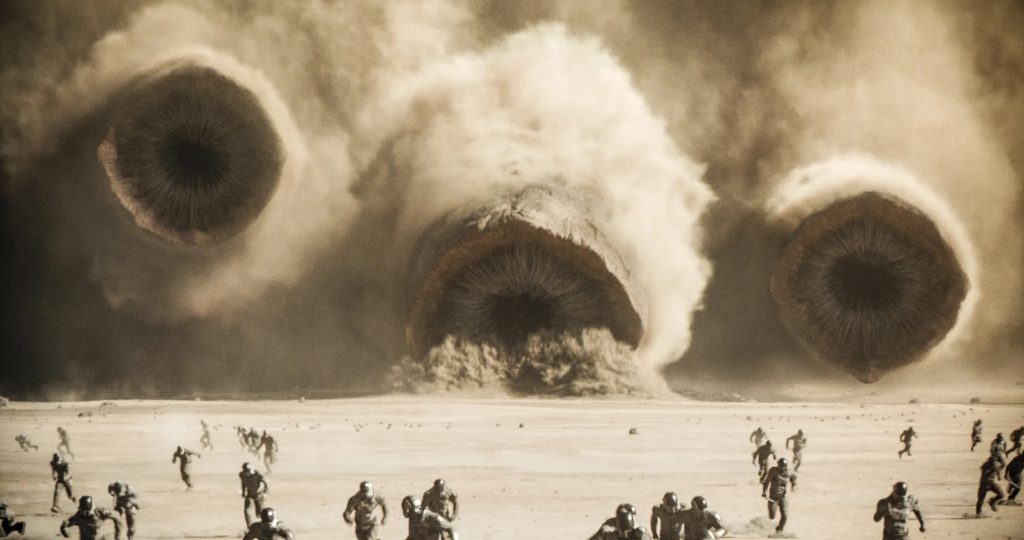
Dune works because everything carries pressure. Spice is a resource, a drug, a political weapon, and the foundation of interstellar travel. The great houses are not only families; they are competing systems of power, loyalty, violence, and survival. The Bene Gesserit operate through religion, breeding, influence, and psychological control. The Fremen are not simply desert rebels; they are a people shaped by ecology, scarcity, belief, and long-term vision.
Nothing sits alone. Every object, faction, ritual, and decision connects to something larger. A sandworm is a monster, a godlike presence, a method of transportation, and a key part of the planet’s ecological system. A stillsuit is costume design, survival technology, cultural intelligence, and world-building in one object. A single political ceremony can carry honour, danger, obedience, betrayal, and dread.
That pressure is why Dune feels alive.
For a creative team, this is the lesson worth studying. Strong stories grow from relationships between forces: what people want, what blocks them, what they believe, what they fear, what they depend on, and what they are willing to sacrifice.
The same applies to the work we do.
The richer our understanding of those forces, the better we become at building work with depth, clarity, and consequence. It comes with history, audience expectations, business goals, internal politics, visual language, emotional stakes, and hidden constraints. The visible piece matters. The system underneath gives it force.
Training Creative Judgement
A book and a film cannot do the same job in the same way. A novel can spend pages inside a character’s thoughts. A film has to translate that interior world into image, sound, performance, pacing, silence, and
design. It cannot carry every sentence forward. It has to decide what the essence is, then build a new experience around it.
That is creative judgment. One of the strongest threads in the Dune Day conversation was adaptation.
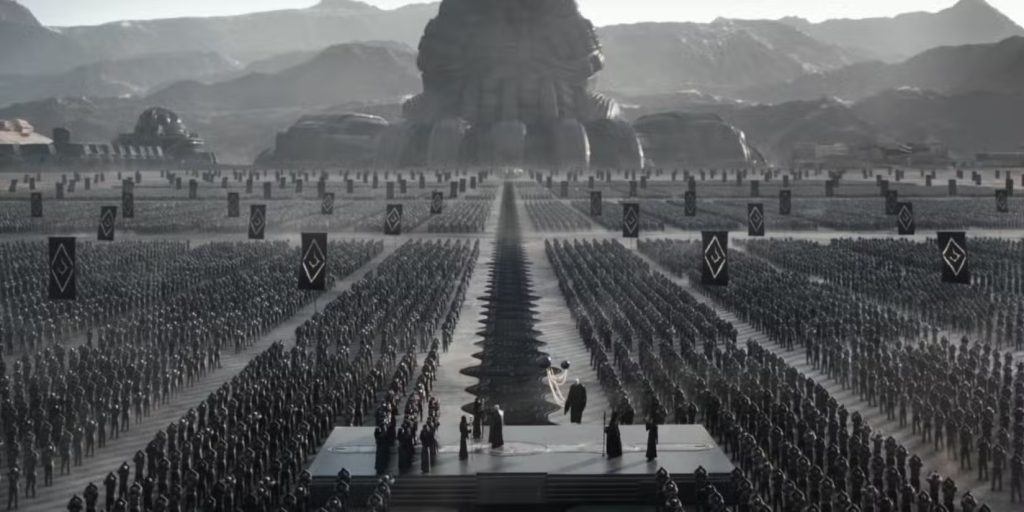
Dune is especially demanding because the source material is dense. The story carries political strategy, religious manipulation, ecological systems, family loyalty, prophetic fear, military power, and psychological transformation. To adapt that world, Denis Villeneuve had to decide what to reveal, what to withhold, what to explain, and what to let the audience feel before they fully understood it.
Our work also requires translation. We take a company’s history, a strategic priorities, customer needs, business pressures, and complex ideas, and turn them into something people can understand and feel.

Conclusion
The Dune Day session was loose and real. People laughed. People asked what the Baron wanted. Someone wanted to see what the Bene Gesserit looked like. Others added context from the book. A question about sandworms opened into a discussion about spice, ecology, rhythm, and the Fremen way of moving through the desert. Context sharpened attention. Shared language raised the stakes. The primer gave people more to see, more to feel, and more to talk about after the credits rolled.
When a client receives a deliverable from Pixel Dreams, whether it’s a beautifully designed object in their hands or seeing their vision executed across their screen, they feel that the work understands the world around them, respects their attention, and gives them something worth staying with.
The secret sauce boils down to the simplest test of any story: sitting in the dark, looking up at the screen, and feeling it work. After the Dune Day Friducation session at PDHQ, the analysis, politics, prophecies, and sandworms gave way to the joy of the experience. Without that feeling, the rest is decoration.